






If your team is distracted by stiff collars, heavy fabric, or pants that don’t fit right, their output is suffering. In Laguna Hills, CA, United States, where many employees work outdoors or move between climate-controlled offices and warm parking lots, uniform comfort isn’t a luxury—it’s a performance factor. When employees are physically comfortable, they spend less mental energy on irritation and more on their actual work. This article explains the direct connection between uniform comfort and productivity, and what to look for when choosing work apparel for your team.
The Physical Cost of Uncomfortable Workwear
Uncomfortable clothing creates a constant, low-level distraction. A seam that digs in, a collar that chafes, or fabric that traps heat forces the wearer to adjust, shift, or simply endure. That discomfort isn’t just annoying; it’s physically taxing. The body uses energy to manage that irritation, energy that could otherwise go toward task completion.
Consider a technician in Laguna Hills spending six hours outside. A heavy, non-breathable uniform shirt can raise skin temperature, increase sweat, and lead to quicker fatigue. That fatigue translates to slower response times, more breaks, and a higher chance of mistakes. The cost of a slightly cheaper uniform shirt is quickly outweighed by lost productivity across a team of ten or fifty employees.
Fit and Range of Motion
Uniforms that restrict movement are a direct productivity killer. A polo shirt that binds across the shoulders or work pants that don’t allow a full squat forces employees to compensate with awkward postures. Over a shift, this slows down physical tasks and increases the risk of muscle strain. Proper fit means the garment moves with the body, not against it. For warehouse staff, delivery drivers, or field service workers in the Laguna Hills area, this is non-negotiable.
Fabric Choice and Climate
Laguna Hills has a mild Mediterranean climate, but inland temperatures can climb well into the 80s and 90s during summer months. Uniform fabric needs to match that reality. Cotton blends are breathable and comfortable, but they wrinkle and hold moisture. Performance fabrics with moisture-wicking properties pull sweat away from the skin, keeping employees drier and more comfortable. Choosing the right fabric for your specific work environment is a key part of uniform selection.
How Comfort Impacts Cognitive Focus and Morale
The psychological effect of uncomfortable clothing is just as significant as the physical one. When an employee is hot, itchy, or squeezed into a uniform that doesn’t fit, their mood suffers. That negative feeling can bleed into their interactions with customers and coworkers. A comfortable uniform, on the other hand, allows employees to forget about what they’re wearing and focus on their job.
This isn’t about providing luxury apparel. It’s about removing a barrier to good work. Employees who feel their employer cares about their basic comfort are generally more engaged. This shows up in small ways—fewer complaints, better attitudes, and a more professional demeanor. You can’t force morale, but you can stop undermining it with poor-quality uniforms.
The Link to Employee Retention
Uniform comfort also plays a role in retention. Employees who dread putting on their work clothes every day are more likely to look for opportunities elsewhere. This is especially true in competitive job markets like Orange County. A small investment in higher-quality, more comfortable uniforms signals that you value your team. That message matters more than most managers realize.
Key Factors to Evaluate When Choosing Uniforms
Not all uniforms are created equal. When you’re sourcing apparel for your team in Laguna Hills, evaluate options based on these specific criteria. This isn’t just about picking a color or adding a logo; it’s about selecting garments that will hold up and keep your team performing.
- Fabric weight: Heavier fabrics last longer but can be too warm for outdoor work. Lighter fabrics are cooler but may wear out faster. Match the weight to the job.
- Breathability: Look for natural fibers or engineered knits that allow air circulation. This is critical for anyone working outdoors or in unairconditioned spaces.
- Stretch: A small amount of spandex or elastane in the fabric allows for easier movement without sacrificing a professional look.
- Wrinkle resistance: Garments that look rumpled by noon make employees look unprofessional, even if the work is solid. Wrinkle-resistant finishes reduce that issue.
- Care requirements: If a uniform requires special washing or ironing, that’s a burden on the employee. Easy-care fabrics are a practical courtesy.
Common Mistakes in Uniform Selection
Many businesses make the same errors when buying uniforms. Recognizing these can save you time and money. The most common mistake is prioritizing the lowest upfront cost. Cheap shirts often mean cheap fabric, poor stitching, and a bad fit. They fall apart quickly, and you end up replacing them sooner.
Another frequent mistake is buying a single style for everyone, regardless of body type or job function. A one-size-fits-all approach rarely works. Offering a few different fits or styles—like both a classic fit and a modern athletic fit—ensures more employees feel comfortable. Finally, don’t order uniforms without getting fit feedback from your team first. A quick sample session can prevent a costly bulk order of shirts that nobody likes.
Cost vs. Value: The Real Math of Uniform Investment
Let’s look at the numbers. Say you have 20 employees, and each needs three uniform shirts. If you buy a basic shirt at $15 each, that’s $900. If those shirts wear out in six months, you’re buying again—another $900 a year. A better-quality shirt at $30 each would cost $1,800 upfront, but if it lasts two years, your annual cost is $900.
The bigger factor is labor cost. If uncomfortable uniforms reduce productivity by even 2%, that’s a significant loss. For an employee earning $25 an hour, a 2% productivity drop costs about $1,000 per employee per year. Multiply that by 20 employees, and you’re losing $20,000 annually to save a few hundred dollars on shirts. Comfortable uniforms are not an expense; they are a productivity tool.
What to Look for in a Uniform Supplier
Finding the right partner for your uniform program matters as much as the garments themselves. A good supplier will ask about your industry, your work environment, and your employees’ needs. They should be able to recommend specific fabric blends and styles that fit your operational reality, not just show you a catalog.
In Laguna Hills, CA, United States, local businesses have an advantage. Working with a local provider means you can see and feel the fabric before you commit. You can get samples to your team quickly and adjust sizes based on real feedback. A local partner also understands the regional climate and the specific demands of Southern California industries, from medical offices to construction and hospitality.
Polished Image Wear has been helping businesses in the area build custom uniform programs since 1999. Their team works with you to select apparel that balances durability, comfort, and brand presentation. Whether you need embroidered polos for a front desk team or rugged work shirts for a field crew, they can guide you toward options that keep your employees comfortable and productive.
Steps to Implement a Comfort-First Uniform Program
If you’re ready to improve your team’s uniforms, follow a structured approach. This prevents wasted budget and ensures you get the results you’re after.
- Audit your current uniforms: Ask employees what they like and dislike. Document specific complaints about fit, fabric, or temperature.
- Set a realistic budget: Decide what you can spend per employee per year, including replacements. Remember the cost-per-wear math, not just the sticker price.
- Order samples: Don’t buy in bulk on the first try. Get samples in multiple sizes and have a few employees wear-test them for a week.
- Gather structured feedback: Ask specific questions about breathability, range of motion, and overall comfort. Use that data to make your final choice.
- Plan for rotation: Order enough units per employee so they have a clean uniform every day of the work week. This extends the life of each garment and keeps your team looking sharp.
Frequently Asked Questions
How many uniforms should each employee have?
For a standard five-day work week, plan for at least five to seven shirts and two to three pairs of pants or shorts. This allows for laundry cycles and unexpected stains or damage. More uniforms mean less wear-and-tear on each individual item.
What is the best fabric for warm climates like Laguna Hills?
For outdoor or active work, look for moisture-wicking performance fabrics or lightweight cotton blends. These pull sweat away from the skin and dry quickly. For office environments, a breathable cotton-poly blend offers a crisp look without trapping heat.
Can we add our logo to any type of uniform?
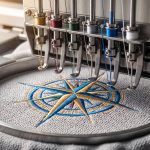
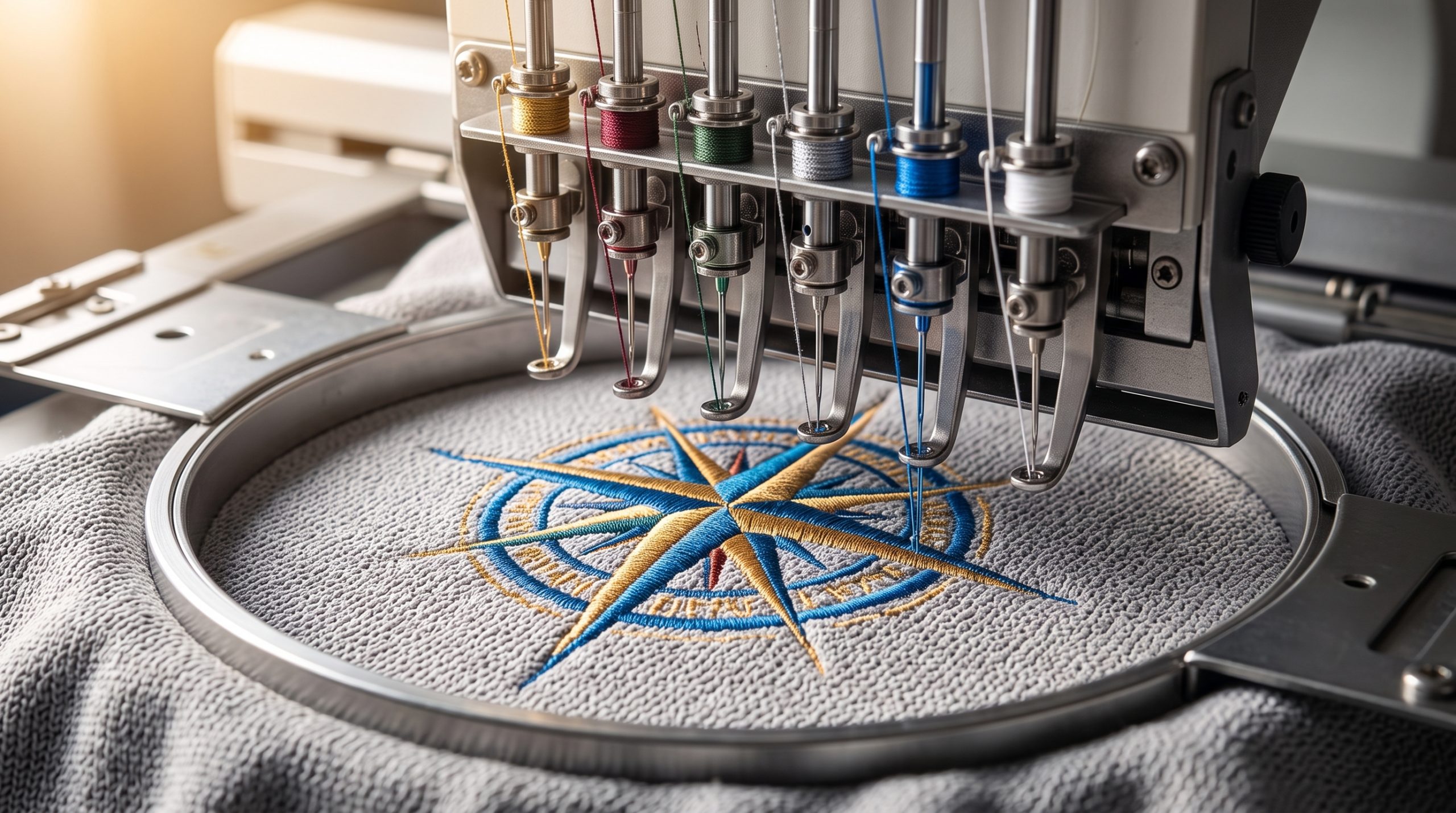
Yes, but embroidery and printing work better on certain fabrics. Embroidery is durable and professional, but it adds weight and can be uncomfortable on very thin shirts. Screen printing is lighter and works well on cotton blends. A reputable supplier can recommend the best decoration method for the specific garment you choose.
Make Comfort a Standard, Not an Exception
The link between employee comfort and productivity is clear. Uncomfortable uniforms create physical distractions, lower morale, and quietly drain your bottom line. In Laguna Hills, CA, United States, where the climate and active job market demand better, investing in quality workwear is one of the simplest improvements you can make. Start by evaluating your current uniforms, get feedback from your team, and work with a supplier who understands both apparel and your industry. The result is a more focused, comfortable, and productive workforce.
Visit Polished Image Wear
